
Life360
Life360
Type 2 diabetes happens when your body doesn’t use insulin properly. Insulin is the key that unlocks your cells to let sugar (glucose) in for energy. When that key doesn’t work well, sugar builds up in your bloodstream.
Even with the medications we already had, many people still struggled to control their blood sugar. Over time, high blood sugar can damage blood vessels and lead to serious problems like heart disease, kidney damage, and vision loss. That’s why researchers kept looking for better solutions — and they found them.
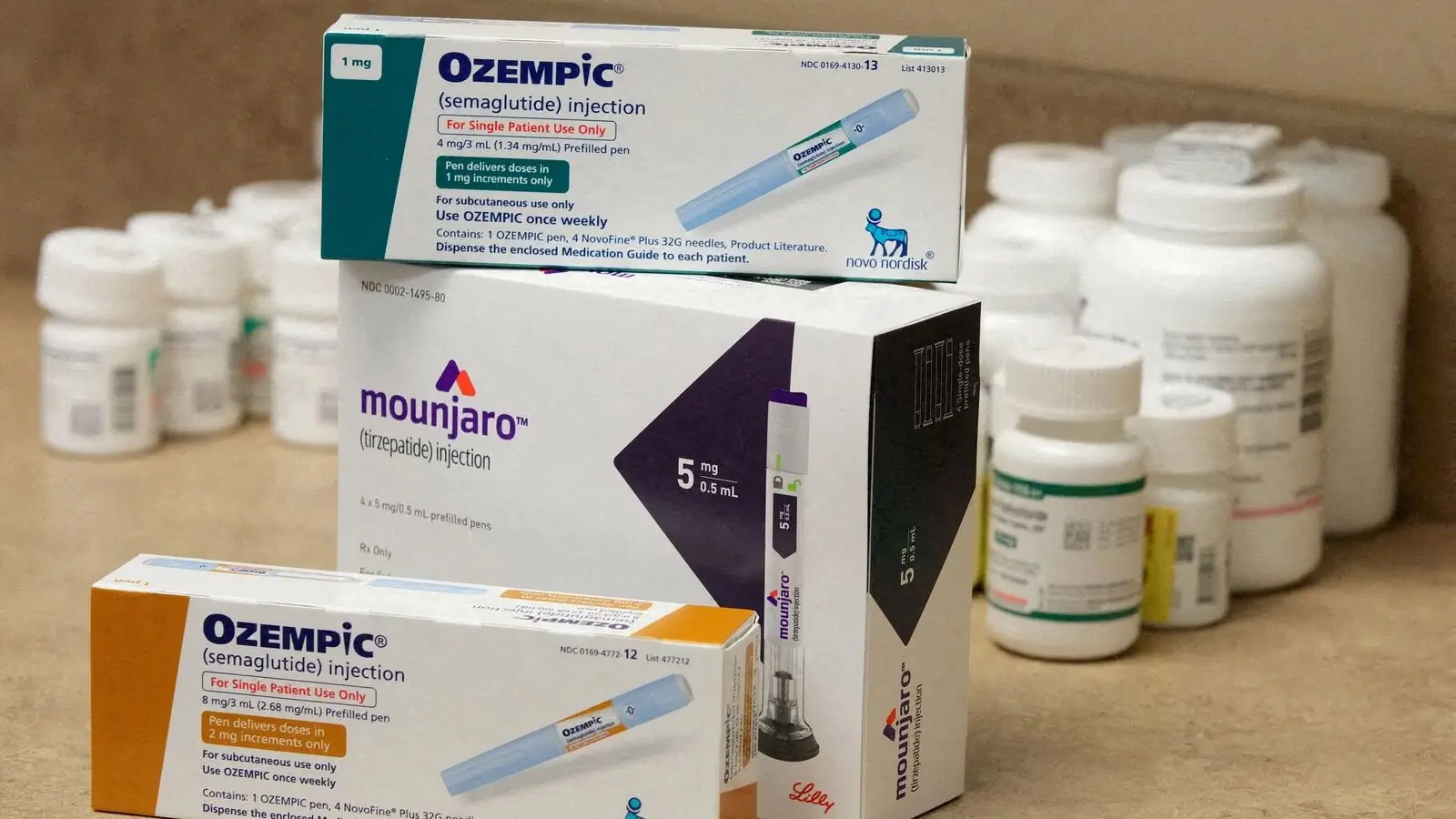
GLP-1 Receptor Agonists (such as Ozempic® and Rybelsus®) work by mimicking a natural hormone your gut releases after eating. They do three helpful things:
– Tell your brain you’re full, so you eat less
– Slow down how fast food leaves your stomach, keeping you satisfied longer
– Help your body release insulin when blood sugar rises
Dual GIP/GLP-1 Receptor Agonists (such as Mounjaro®) are a newer class that targets two gut hormones instead of one. By activating both the GIP and GLP-1 pathways, Mounjaro® produces even greater improvements in blood sugar and weight than GLP-1 medications alone.
SGLT-2 Inhibitors (such as Jardiance® and Forxiga®) take a different approach. They work in your kidneys, causing excess sugar to leave your body through urine. Think of it as flushing extra sugar out rather than letting it stay in your blood.
Large-scale studies have confirmed that these medications do far more than lower blood sugar.
A major analysis combining results from multiple trials found high-certainty evidence that GLP-1 medications reduce the risk of death from any cause, death from heart disease, and major cardiovascular events like heart attack and stroke. The benefits were seen regardless of whether patients had diabetes, heart failure, or kidney disease.
The SELECT trial, which included over 17,600 people with heart disease and overweight or obesity (but without diabetes), found that semaglutide reduced the risk of heart attack, stroke, or cardiovascular death by 20%. Patients also lost an average of 9.4% of their body weight. It is important to note that weight loss tends to be somewhat less in people with diabetes — typically around 10% — compared with people without diabetes, where weight loss of 15% or more has been seen.
The SURPASS-CVOT trial directly compared Mounjaro® (tirzepatide) with dulaglutide (Trulicity®, a GLP-1 medication already proven to protect the heart) in over 13,000 people with type 2 diabetes and heart disease.
Mounjaro® was shown to be noninferior — meaning it worked at least as well — as dulaglutide for preventing heart events. This is an important finding: because dulaglutide is already a proven heart-protective medication, matching its performance means Mounjaro® is also cardioprotective. In fact, when researchers estimated what the results would look like compared to a placebo (inactive treatment), tirzepatide was associated with a 28% lower risk of major heart events and a 39% lower risk of death from any cause.
While Mounjaro® did not prove statistically superior to dulaglutide for the primary 3-component heart outcome (heart attack, stroke, or cardiovascular death), a post hoc analysis using a broader 6-component endpoint — which also included coronary procedures, heart failure hospitalizations, and kidney outcomes — showed that Mounjaro® was associated with a 16% lower risk of these combined events compared with dulaglutide.
Mounjaro® also led to greater weight loss (approximately 11.6% of body weight) and greater blood sugar reduction than dulaglutide.
Both medication classes protect the kidneys, but in different ways.
SGLT-2 inhibitors have the strongest kidney evidence. A meta-analysis showed that SGLT-2 inhibitors (like Jardiance® and Forxiga®) reduce the risk of chronic kidney disease progression by approximately 37%, regardless of how advanced the kidney disease was or the level of albumin in the urine. These kidney benefits are seen even at very low kidney function levels (eGFR as low as 20), even when the blood sugar–lowering effect is minimal.
GLP-1 medications also protect the kidneys. The FLOW trial showed that semaglutide reduced major kidney events by 24% in people with type 2 diabetes and chronic kidney disease. The kidney benefits of GLP-1 medications appear to work through different pathways than SGLT-2 inhibitors, which is why combining the two classes may offer even greater protection than either alone. Research suggests that the benefits of each class are independent — meaning one does not reduce the effectiveness of the other when used together.
| Benefit | GLP-1 Medications (e.g., Ozempic®) |
Dual GIP/GLP-1 (e.g., Mounjaro®) |
SGLT-2 Inhibitors (e.g., Jardiance®, Forxiga®) |
|---|---|---|---|
| Blood sugar control | ✅ Strong | ✅ Strongest | ✅ Moderate |
| Weight loss | ✅ Significant (~10% in diabetes) | ✅ Greatest (~12% in diabetes) | ✅ Modest (2–3%) |
| Heart attack/stroke risk | ✅ Reduced (up to 20%) | ✅ Reduced (noninferior to GLP-1) | ✅ Moderate benefit |
| Heart failure protection | ✅ Moderate benefit | ✅ Moderate benefit | ✅ Strong benefit |
| Kidney protection | ✅ Moderate benefit (24% risk reduction) | ✅ Benefit (under further study) | ✅ Strong benefit (~37% risk reduction) |
| How taken | Weekly injection or daily pill | Weekly injection | Daily pill |
Note: The most appropriate medication varies from person to person based on individual health conditions, medical history, treatment goals, and other clinical factors. Medication choices should always be discussed with and determined by a qualified healthcare provider.
These medications are especially helpful if you have:
– Type 2 diabetes with heart disease or high heart risk
– Type 2 diabetes with chronic kidney disease
– Type 2 diabetes and overweight or obesity
Major medical guidelines now recommend considering these medications as initial treatment for people with diabetes who have these conditions.
Like all medications, these have potential side effects.
GLP-1 and dual GIP/GLP-1 medications (Ozempic®, Mounjaro®): The most common side effects are stomach-related — nausea, vomiting, and diarrhea. These symptoms often improve over time. Starting at a low dose and increasing slowly helps your body adjust. These medications also carry a slightly higher risk of gallbladder problems. They carry a warning about a rare type of thyroid cancer (medullary thyroid carcinoma) seen in animal studies, and should not be used by anyone with a personal or family history of this cancer or a condition called MEN2 (multiple endocrine neoplasia type 2). Talk to your doctor if you have any thyroid concerns.
GLP-1 and dual GIP/GLP-1 medications (Ozempic®, Mounjaro®): The most common side effects are stomach-related — nausea, vomiting, and diarrhea. These symptoms often improve over time. Starting at a low dose and increasing slowly helps your body adjust. These medications also carry a slightly higher risk of gallbladder problems. They carry a warning about a rare type of thyroid cancer (medullary thyroid carcinoma) seen in animal studies, and should not be used by anyone with a personal or family history of this cancer or a condition called MEN2 (multiple endocrine neoplasia type 2). Talk to your doctor if you have any thyroid concerns.
Serious side effects with either class are rare. Talk to your doctor about your full medical history before starting these medications.
– New diabetes medications do more than lower blood sugar — they help with weight loss, protect your heart, and safeguard your kidneys.
– Three main classes lead the way: GLP-1 receptor agonists (like Ozempic®), dual GIP/GLP-1 agonists (like Mounjaro®), and SGLT-2 inhibitors (like Jardiance® and Forxiga®).
– Combining a GLP-1 or dual agonist with an SGLT-2 inhibitor may offer even greater protection for heart and kidneys than either alone.
– Mounjaro® is cardioprotective — it performed at least as well as a proven heart-protective GLP-1 medication in a large trial, and indirect analyses suggest substantial heart benefits compared with placebo.
– Side effects are manageable. Stomach issues are common with GLP-1 and dual agonist medications but often improve. Your doctor can help you start slowly to minimize discomfort.
– Lifestyle still matters. These medications work best when combined with healthy eating and physical activity — they’re tools, not magic solutions.
The information provided in these blogs is intended for educational and informational purposes only and should not be considered medical advice, diagnosis, or treatment. If you have any medical concerns, symptoms, or questions about your health or treatment, please consult your family physician, primary care provider, or another qualified healthcare professional. Always seek professional medical advice before making any changes to your healthcare or medications.